
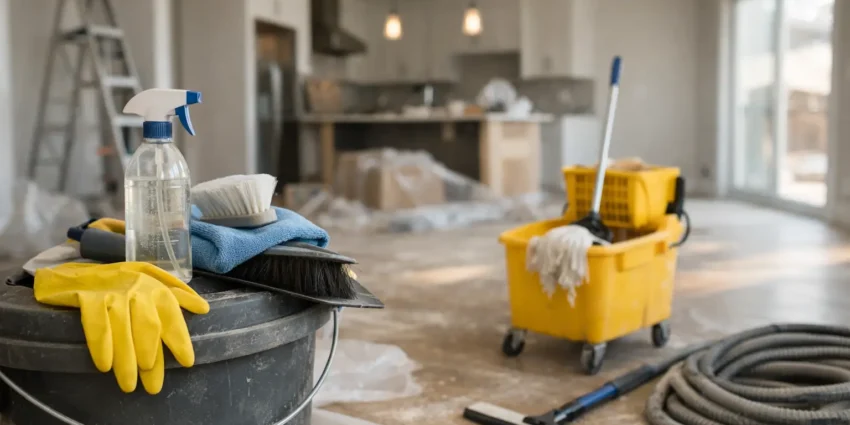
When a construction project wraps up, the space rarely feels finished right away. Dust settles into vents, adhesive residue clings to glass, flooring picks up fine debris, and stray materials often remain in corners long after the main work is done. Knowing how to prepare for post construction cleaning helps you avoid delays, protect new finishes, and get your property ready for staff, tenants, customers, or inspections with less back-and-forth.
For commercial properties, preparation matters just as much as the cleaning itself. If the site is not truly ready, crews lose time working around active trades, blocked access, or unfinished punch-list items. That creates avoidable costs and can slow down occupancy, turnover, or reopening.
Why preparation makes the cleaning process smoother
Post-construction cleaning is different from standard janitorial work. The job often involves removing layers of fine dust, construction residue, stickers, paint splatter, caulk traces, and packaging debris across multiple surfaces. New flooring, fixtures, glass, and millwork also need careful handling so they look finished without being damaged.
A well-prepared site allows the cleaning team to work methodically instead of reactively. That means fewer interruptions, better results, and a clearer timeline. For property managers and site supervisors, it also reduces the chance of miscommunication about what is complete, what still belongs to the trades, and what the cleaners are expected to handle.
How to prepare for post construction cleaning before the crew arrives
The first step is confirming the construction phase is truly far enough along for final cleaning. In many commercial projects, there is a difference between a rough clean, a final clean, and a touch-up clean before handoff. If painters, flooring installers, electricians, or millwork teams are still generating dust or debris, a final clean may be premature.
Walk the site with that in mind. Look for active tools, open materials, ladders, extension cords, protective coverings that still need to stay in place, and unfinished detail work. If major punch-list items remain, it may make more sense to schedule cleaning in phases instead of trying to force one visit to cover everything.
Access is the next issue to solve. Cleaning teams need clear entry, working elevators if applicable, available water and power, and enough site access to move equipment and supplies efficiently. In larger office, hospitality, or mixed-use properties, even a simple issue like locked rooms or unclear after-hours access can slow the job more than people expect.
You should also identify who will be the point of contact on cleaning day. That person should be able to approve access, answer scope questions, and flag priority areas. Without one decision-maker, small issues can turn into delays.
Clear out what does not belong in the final clean
One of the most common problems on post-construction jobs is confusion about debris removal. A cleaning company can remove surface dirt, dust, and leftover light debris within the agreed scope, but bulk construction waste, pallet stacks, scrap material, and trade equipment usually need to be removed before the detailed clean begins.
That distinction matters. If dumpsters are full, cardboard is piled in hallways, or unused materials are still staged throughout the site, the cleaning crew may spend valuable time navigating around obstacles instead of finishing surfaces. For busy commercial projects, that can affect both budget and schedule.
Before the appointment, make sure trades have removed their tools, leftover materials, and trash. Protective films should also be checked. Some labels and films are meant to be removed before cleaning, while others should stay in place until the very end to protect surfaces. If you are unsure, confirm that with the installer or manufacturer rather than guessing.
Protect the surfaces you just invested in
Preparation is not only about clearing the way. It is also about preventing avoidable damage. Newly installed flooring, counters, fixtures, and glass can be more vulnerable than they look, especially if the wrong products or methods are used.
This is why scope and surface information should be shared early. Let the cleaning team know if the building includes natural stone, specialty coatings, high-end glass, finished concrete, luxury vinyl tile, stainless steel, or custom millwork. Commercial properties often include a mix of materials, and each one may need a different approach.
If any surface has manufacturer care instructions, keep those available. It saves time and helps everyone avoid mistakes. This is especially useful in restaurants, hospitality settings, showrooms, and office build-outs where appearance matters immediately after turnover.
Set priorities by occupancy and business needs
Not every area needs the same level of attention at the same time. In some projects, the lobby, restrooms, conference rooms, or customer-facing areas need to be ready first. In others, warehouse space, back-of-house corridors, or tenant suites may follow a different schedule.
That is where preparation becomes a practical planning step rather than a simple checklist. Think about how the space will be used in the first few days after construction. Will staff move in right away? Is an inspection coming first? Are tenants expecting turnover on a specific date? Will there be furniture installation after cleaning?
When those priorities are shared upfront, the cleaning team can sequence work more effectively. A dependable commercial cleaner will want to know which areas are critical, which rooms can be staged later, and whether a return touch-up visit may be needed once final foot traffic settles.
Plan for dust control, not just debris pickup
Most people expect visible debris after construction. What causes more frustration is the fine dust that continues to settle after the obvious mess is gone. It collects on ledges, inside cabinets, around vents, on window frames, and across horizontal surfaces that looked clean only hours earlier.
If HVAC systems have been running during construction, dust may also circulate through vents and return to finished areas. That does not always mean the cleaning was done poorly. Sometimes it means the site was cleaned before dust-producing work was truly complete, or the ventilation system continued to spread leftover particles.
To prepare properly, check whether air filters need replacement, whether vents are ready to be cleaned around, and whether doors and windows have been kept open during dusty work. These details affect results. They also affect expectations, which is just as important on a commercial project where multiple vendors may be involved.
Confirm scope, schedule, and site conditions in writing
A strong post-construction clean depends on clear communication. Before service begins, confirm what is included, what is excluded, and when the work will happen. This is one of the simplest ways to avoid surprise costs and last-minute disagreements.
For example, exterior cleanup, high dusting above normal reach, sticker removal, pressure washing, garage cleanup, and disposal of heavy debris may or may not be part of the agreed service. Every site is different. A small office remodel is not the same as a hotel renovation or a warehouse build-out.
Written confirmation helps all sides stay aligned. It also gives property managers and site supervisors something concrete to reference if conditions change before the scheduled date.
Walk the site one last time before cleaning starts
A final pre-cleaning walkthrough is worth the time. It gives you a chance to catch issues that could slow the job or affect the result. Check for unfinished repairs, missing fixtures, wet paint, blocked rooms, inactive utilities, and any area still being used by trades.
This walkthrough should also confirm the condition of floors, glass, restrooms, break rooms, and entry points. If something appears damaged before cleaning starts, documenting it upfront protects everyone. That is a smart step on commercial jobs where multiple contractors may still be involved.
For businesses across the Eastside and Puget Sound, this kind of preparation often makes the difference between a rushed cleanup and a professional final presentation. Armani Janitorial sees that firsthand on commercial sites where timing, coordination, and clear expectations matter just as much as the actual cleaning.
When phased cleaning makes more sense
Sometimes the best answer is not one final appointment. If your project has a staggered turnover, active punch-list work, or a move-in schedule that overlaps with final construction, phased cleaning may be the better option.
That could mean an initial debris and dust removal, followed by a detailed final clean, then a touch-up visit once trades and movers are out. It is not always necessary, but on larger or more complex sites, it can protect your schedule and improve the final result.
The trade-off is that phased service can involve more coordination. Still, for many commercial properties, that coordination is easier to manage than dealing with rework after a rushed cleaning.
Preparing well for post-construction cleaning is really about respecting the last step of the project. When the site is ready, the scope is clear, and priorities are defined, cleaning becomes the finishing move that makes the whole space feel complete.
One comment on “How to Prepare for Post Construction Cleaning”