
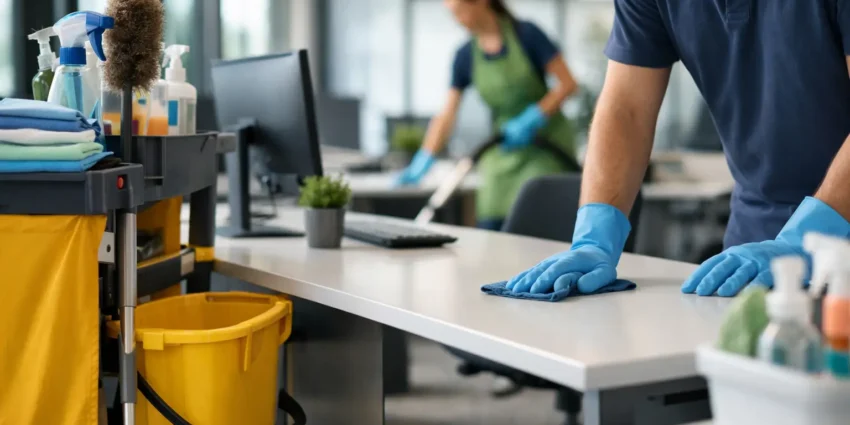
A cleaning plan is tested at 8:30 a.m., not after the cleaning crew leaves. That is when employees arrive, clients walk through the lobby, restrooms see their first rush, and yesterday’s missed details become visible. The best cleaning plan for office buildings is one that keeps those moments from becoming your problem.
For office managers and property managers, the goal is not simply to make a space look clean once a week. It is to create a dependable routine that supports employee health, protects the building, and gives visitors confidence in the business. A good plan also makes expectations clear, so no one has to chase down a vendor over empty soap dispensers, overflowing trash, or neglected floors.
Start With How the Building Is Actually Used
Office buildings need different cleaning schedules based on occupancy, layout, visitor traffic, and the type of work taking place. A small professional office with ten employees has different needs than a multi-tenant building with shared elevators, conference rooms, and public restrooms.
Begin by walking the property at the times it is busiest. Look beyond square footage. Note where people enter, where they gather, which restrooms receive the most traffic, and where food and beverages are regularly consumed. A break room used throughout the day will need more attention than a conference room used twice a week. Entryways during a wet Puget Sound winter may need service several times a day to control tracked-in moisture and debris.
This assessment should also identify areas that need special handling. Server rooms, executive offices, medical-adjacent spaces, fitness rooms, and high-touch common areas may each require separate instructions. The more specific the plan is at the beginning, the fewer assumptions your cleaning provider has to make later.
Build the Best Cleaning Plan for Office Buildings by Frequency
The right schedule separates work by how quickly it affects cleanliness, safety, and appearance. Daily cleaning handles the tasks employees and visitors notice immediately. Weekly and periodic work handles buildup that can damage surfaces or make an otherwise clean office feel neglected.
Daily work keeps the workplace ready
For most occupied offices, daily or nightly service should cover trash removal, restroom cleaning and restocking, vacuuming or sweeping of active areas, cleaning break rooms, and disinfecting high-touch surfaces. Reception areas, glass entry doors, elevator buttons, door handles, and shared workspaces deserve close attention because they shape first impressions and can spread germs quickly.
Daily service should not mean doing the same thing blindly every night. A dependable crew follows a consistent checklist while adjusting for actual conditions. If a team hosted a lunch meeting, the conference room may need extra work. If a storm brought in water and grit, entry floors may need additional mopping and mat maintenance.
Weekly work prevents visible buildup
Weekly cleaning is the right place for more detailed dusting, spot-cleaning walls and doors, wiping baseboards in active areas, polishing interior glass, and cleaning beneath furniture where access allows. Kitchens and break rooms may need a deeper wipe-down of appliance exteriors, cabinet fronts, and tables.
Weekly tasks protect the overall appearance of the building without adding unnecessary cost to every visit. However, high-traffic spaces may need certain weekly tasks moved to a more frequent schedule. A busy lobby may need interior glass cleaned daily, while a low-traffic private office may only need that attention once a week.
Monthly and periodic work protects the facility
Some work belongs on a monthly, quarterly, or annual schedule. This can include detailed floor care, carpet extraction, high dusting, upholstery cleaning, interior window cleaning, deep restroom cleaning, and cleaning vents or light fixtures where appropriate.
These services are not cosmetic extras. Carpet that is regularly maintained lasts longer and holds less embedded soil. Hard floors retain their finish when they are properly scrubbed and refinished as needed. Periodic work also gives facility managers a chance to address problems before they turn into expensive repairs or complaints.
Assign Clear Ownership for Every Task
A cleaning plan works only when everyone knows what is included and who is responsible. Employees may reasonably be expected to clear personal desks and remove personal food from refrigerators. Your janitorial team should be responsible for the cleaning work outlined in the scope, including scheduled restocking if supplies are part of the agreement.
Avoid vague instructions such as “clean the kitchen” or “maintain the lobby.” Define the expected result. For example, specify whether the refrigerator interior is included, whether dishes are washed, whether lobby glass is cleaned on both sides, and whether restroom consumables are supplied by the client or the cleaning company.
A site-specific checklist is useful because it creates accountability without turning the office manager into a nightly inspector. It should identify the areas to clean, the service frequency, special instructions, supply locations, building access procedures, and a contact person for urgent concerns. When the scope changes, update the checklist rather than relying on a verbal request that may be forgotten.
Put Restrooms, Break Rooms, and Entryways First
Not every area carries the same risk or visibility. If the budget requires prioritization, focus first on restrooms, break rooms, entrances, and shared touchpoints. These are the spaces where poor cleaning is noticed fastest and where hygiene concerns are highest.
Restroom service should include cleaning and disinfecting fixtures, wiping partitions and touchpoints, mopping floors, emptying waste, and checking soap, paper towels, and tissue. Restocking is not a minor detail. An otherwise spotless restroom still creates frustration when a dispenser is empty.
Break rooms need a practical approach to food residue, spills, and odors. Counters, tables, sinks, appliance exteriors, and floors should be cleaned consistently. If employees share a refrigerator or microwave, decide whether the plan includes scheduled interior cleaning and establish a clear process for removing abandoned food.
Entryways deserve special attention because they collect dirt before it reaches the rest of the building. In wet weather, mats should be vacuumed, floors should be spot-mopped as needed, and wet-floor response should be fast. This helps preserve flooring and reduces slip risks for employees and visitors.
Include Quality Checks Without Creating More Work
Reliable commercial cleaning depends on communication, not guesswork. Establish one primary contact for the building and one for the cleaning provider. The contact process should be simple: report an issue, receive confirmation, and know when it has been addressed.
Quality checks can be brief and effective. Review the building regularly, especially after the first few weeks of a new service schedule. Look at the areas that matter most: restroom condition, floor appearance, trash removal, supply levels, and entry presentation. If something falls short, report the exact location and concern promptly so it can be corrected before it becomes a recurring issue.
The best providers are responsive without requiring constant follow-up. They communicate schedule changes in advance, maintain dependable arrival times, and document special requests when necessary. Licensed and insured service also provides added confidence when cleaners are working in offices after hours or around valuable equipment.
Match Service Frequency to Your Budget and Risk
There is no single nightly schedule that fits every office building. Cleaning five nights per week offers the most consistent appearance for busy workplaces, but it may not be necessary for a small office with limited occupancy. Three visits per week can work well when employee traffic is moderate and staff maintain their personal spaces between services.
The trade-off is simple: reducing visit frequency may lower the immediate service cost, but it can increase the time employees spend dealing with trash, restrooms, and break-room cleanup. It can also make periodic deep cleaning more necessary. The right choice is the schedule that keeps the building presentable and functional without paying for tasks the property does not need.
Ask for transparent pricing that separates recurring janitorial work from specialty services such as carpet cleaning, floor care, interior windows, and post-construction cleanup. Clear estimates reduce surprises and make it easier to plan for periodic maintenance.
Plan for Changes Before They Disrupt Service
Office needs change. A growing team, a return-to-office policy, a new tenant, a renovation, or an upcoming client event can quickly alter the cleaning workload. Your plan should allow for additional service when needed without forcing a permanent schedule change for a temporary situation.
For example, a construction project may require dust control and post-construction cleaning before employees return to the space. A seasonal event may require extra attention to lobbies and restrooms. Communicating these needs early gives the cleaning team time to schedule labor, supplies, and specialty equipment properly.
A cleaning plan should make your building easier to manage, not add another task to your day. When the schedule reflects real traffic, responsibilities are documented, and service is delivered consistently, employees can focus on work and visitors can focus on your business. For Puget Sound offices that need that level of dependable care, Armani Janitorial can help build a schedule around the building you operate, not a generic checklist.