
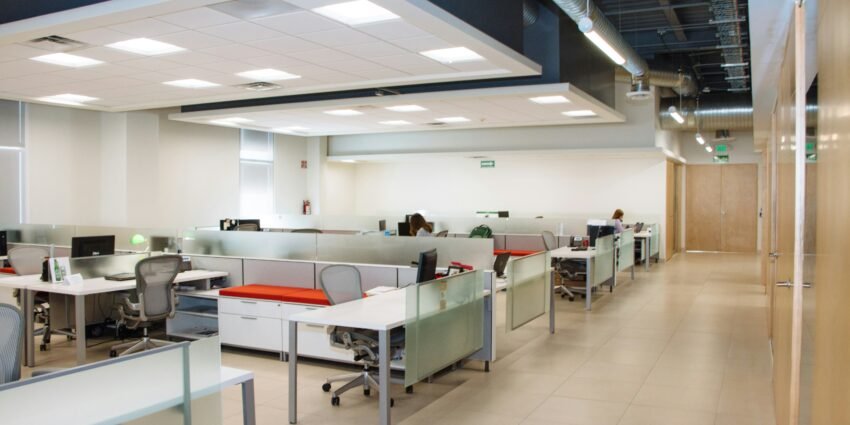
As an employer there are many things that your employees expect when they show up to work. Things like to be paid a fair and reasonable wage, to be treated kindly and with respect are just a few. A clean work environment is more than just an aesthetic choice — it directly impacts employee health, productivity, morale, and overall business success.
Employees spend a significant portion of their day at work, and maintaining a clean, organized, and hygienic workspace demonstrates that their well-being is valued.
Why Workplace Cleanliness Matters
- Improves Employee Health
Dust, bacteria, mold, and clutter can contribute to illnesses and allergies. Regular cleaning and sanitizing help reduce the spread of germs, leading to fewer sick days and a healthier workforce.
- Increases Productivity
Employees are generally more focused and efficient in organized environments. Cluttered desks, overflowing trash bins, and dirty common areas can become distractions that negatively affect performance.
- Boosts Employee Morale
A clean workplace creates a more pleasant atmosphere. Employees are more likely to feel motivated and appreciated when they work in a space that is cared for and maintained properly.
- Creates a Positive Professional Image
Clients, customers, and visitors often judge a business by its appearance. A tidy office reflects professionalism, attention to detail, and organizational standards.
Tips for Maintaining a Clean Workplace
Establish a Cleaning Schedule
Create a daily, weekly, and monthly cleaning routine that covers workstations, restrooms, break rooms, and shared equipment.
Encourage Employee Participation
Promote personal responsibility by encouraging employees to keep their desks organized and clean up after themselves in communal spaces.
Provide Cleaning Supplies
Ensure employees have easy access to disinfectant wipes, hand sanitizer, paper towels, and trash bins throughout the workplace.
Focus on High-Touch Areas
Frequently sanitize surfaces such as door handles, keyboards, phones, light switches, and conference tables to minimize germ transmission.
Improve Air Quality
Use proper ventilation systems, replace air filters regularly, and consider adding plants or air purifiers to improve indoor air quality.
Hire Professional Cleaning Services
Professional cleaners can help maintain deeper sanitation standards and ensure all areas are consistently cleaned and disinfected.
Building a Culture of Cleanliness
Workplace cleanliness should be part of the company culture. Leadership can set the example by maintaining organized workspaces and emphasizing the importance of hygiene and cleanliness during meetings and onboarding sessions.
Recognizing employees who contribute to maintaining a clean environment can also encourage long-term habits and accountability.
Conclusion
Providing a clean work environment is an investment in employee well-being and business performance. By prioritizing cleanliness, companies can create safer, healthier, and more productive workplaces where employees feel comfortable and motivated to perform at their best.