
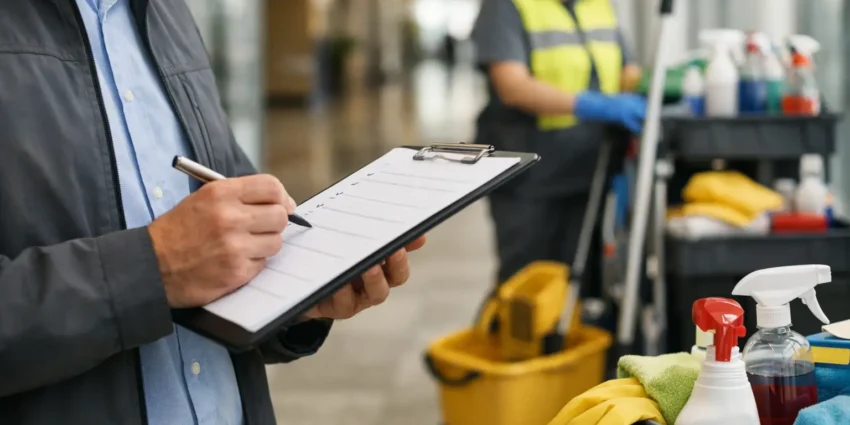
A lobby can look presentable at 8 a.m. and still create a poor impression by noon. Overflowing restroom supplies, fingerprints on entry glass, damp floors near the door, and neglected break rooms are the details employees, visitors, and tenants notice first. This facility manager cleaning checklist guide helps turn cleaning from a recurring headache into a clear operating standard for your property.
For busy commercial facilities, a checklist is not about adding paperwork. It is about setting expectations, assigning responsibility, and making sure routine cleaning supports safety, productivity, and your company’s image. The right schedule depends on your traffic, operating hours, building layout, and industry, but every reliable plan starts with the same question: what must be clean, safe, and ready before the next person walks through the door?
Start With a Facility-Specific Cleaning Standard
A generic checklist can miss the areas that matter most at your site. An office with 75 employees needs a different plan than a restaurant, hotel, warehouse, auto dealership, or recently completed construction project. Before assigning tasks, walk the facility at the busiest part of the day and identify where dirt, clutter, moisture, and touchpoints build up fastest.
Document the areas that affect customers, employees, and inspections. Entrances, reception spaces, restrooms, kitchens, elevators, loading areas, and shared workstations usually deserve the most attention. In the Puget Sound area, rainy conditions can also make entry floors and walkways a regular safety concern. More frequent mat service and floor checks may be necessary during wet weather.
Your standard should state what clean looks like, not simply that an area was cleaned. For example, a restroom standard may require stocked dispensers, odor-free trash receptacles, dry floors, sanitized fixtures, and streak-free mirrors. This gives in-house staff or a commercial cleaning provider a measurable result to deliver.
Daily Cleaning Checklist for Facility Managers
Daily tasks protect the spaces people use most often. They should be completed on a schedule that matches foot traffic rather than at a convenient but ineffective time. A high-traffic restroom may need attention several times per day, while a low-use conference room may only need a daily reset.
Use the following checklist as a working baseline:
- Empty trash and recycling, replace liners, and remove waste from common areas, workspaces, restrooms, and break rooms.
- Clean and disinfect high-touch surfaces, including door handles, light switches, elevator buttons, handrails, shared equipment, and reception counters.
- Service restrooms by cleaning fixtures, disinfecting touchpoints, refilling soap and paper supplies, wiping mirrors, and mopping floors.
- Vacuum carpeted areas and sweep or damp mop hard-surface floors, with extra attention to entrances and food-service areas.
- Clean break rooms and kitchens by wiping counters, sanitizing tables, cleaning sinks, addressing spills, and emptying food waste.
- Straighten lobbies, reception areas, meeting rooms, and other customer-facing spaces before and after peak activity.
- Inspect entry mats, glass doors, and floors for water, tracked-in debris, smudges, and slip hazards.
A daily checklist should also include a quick quality-control step. A supervisor, facility coordinator, or designated staff member can verify that supplies are stocked, waste is removed, and visible issues have been resolved. This does not need to be a lengthy inspection. A five-minute walkthrough often catches the problems that lead to complaints.
Weekly Tasks That Preserve the Building
Weekly work addresses buildup that daily service cannot fully prevent. These tasks matter because surfaces can look acceptable until grime, dust, or residue becomes difficult and expensive to remove.
Focus weekly attention on detailed dusting of ledges, vents, blinds, baseboards, and furniture; cleaning interior glass; disinfecting phones and shared equipment; and treating hard floors as needed. Break room appliances, including microwaves and refrigerator exteriors, should also be cleaned regularly. In a warehouse or dealership, weekly service may include dust control in display areas, service counters, and employee spaces where daily activity produces debris.
Floor care deserves special attention. Vacuuming and mopping are routine tasks, but high-traffic hard floors may need machine scrubbing or burnishing to maintain a professional finish. The right frequency depends on the floor material and the amount of traffic. Overcleaning with harsh chemicals can damage some surfaces, while waiting too long can allow stains and wear patterns to become permanent.
Monthly and Periodic Cleaning Items
Monthly cleaning is where facility managers can prevent small issues from becoming visible maintenance problems. Schedule these items instead of relying on someone to remember them after a complaint.
Include detailed cleaning for baseboards, doors, wall marks, air vents, light fixtures, interior window frames, and furniture upholstery. Check corners, storage rooms, stairwells, and other low-visibility areas where dust and debris collect. These spaces may not be customer-facing, but their condition affects indoor cleanliness, employee morale, and readiness for property inspections.
Periodic services should be based on the building’s needs. Carpet extraction may be needed quarterly or semiannually. Deep floor care, high dusting, interior and exterior window cleaning, pressure washing, and upholstery cleaning are often scheduled seasonally or as conditions require. A post-construction site needs a separate plan that addresses fine dust, adhesive residue, paint splatter, grease, and debris before the property opens or returns to normal use.
Build Accountability Into the Checklist
A checklist only works when someone owns the result. For every task, identify the frequency, the responsible party, the expected completion time, and the inspection method. If you use a cleaning contractor, define who receives service requests and how urgent issues are handled outside the normal schedule.
Clear communication prevents the common gap between what was expected and what was delivered. For example, if a conference room is needed for a client meeting at 7 a.m., include that timing in the service plan rather than assuming the room will be ready. If a tenant reports a spill, odor, or supply shortage, record the issue and its resolution. Patterns in service requests can show where a cleaning schedule needs adjustment.
It is also smart to separate routine janitorial work from specialty services. Daily cleaning crews may handle restrooms, trash, touchpoint disinfection, and floors, while carpet cleaning, floor refinishing, high dusting, and post-construction cleanup require different equipment and scheduling. Combining every task into one vague scope can cause missed work and unexpected costs.
Use Inspections to Improve, Not Just Correct
Regular inspections are one of the most practical tools a facility manager has. Walk the property from the perspective of a visitor, employee, or prospective tenant. Start at the parking area or entrance, then move through the lobby, restrooms, shared spaces, and the areas that receive the most complaints.
Look for conditions that indicate an inconsistent process: empty dispensers, full trash bins, dusty edges, streaked glass, lingering odors, damaged floor finishes, or supplies stored where customers can see them. Take notes by location and urgency. Issues involving slips, sanitation, access, or customer-facing spaces should be handled first.
A good cleaning partner should welcome this level of accountability. Licensed and insured commercial cleaners who work from a clear scope can provide consistent service without requiring constant follow-up. At Armani Janitorial, dependable scheduling and transparent expectations are central to helping facilities stay clean, on time, and within budget.
Adjust the Plan When Conditions Change
Your checklist should not remain fixed all year. Staffing changes, tenant turnover, weather, special events, construction work, illness outbreaks, and shifts in operating hours can all change what the facility needs. During a busy season, it may make sense to increase restroom service, entryway cleaning, or trash removal. During a quieter period, that same budget may be better used for detailed floor care or periodic deep cleaning.
The goal is not to clean every surface as often as possible. It is to apply the right level of service where it protects people, supports operations, and keeps the property ready for business. Review the checklist at least quarterly, compare it with inspection notes and service requests, and make practical changes before routine issues become costly disruptions.
A dependable cleaning plan gives facility managers more than a clean building. It gives them confidence that employees can work comfortably, visitors receive the right first impression, and everyday details are being handled without constant micromanagement.