
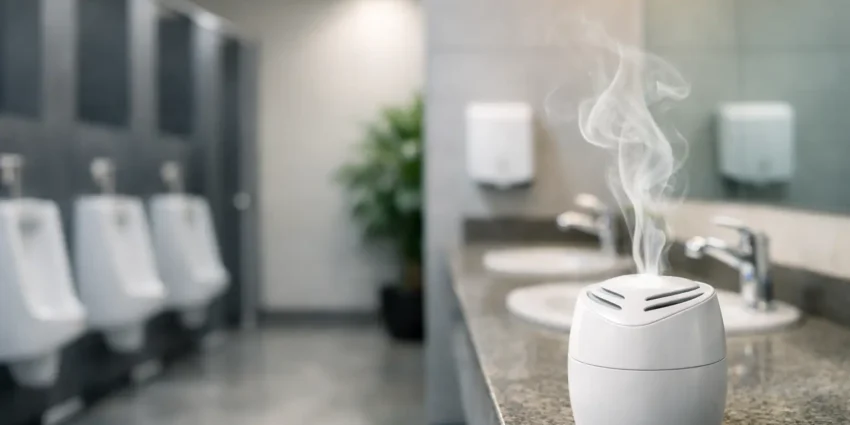
A restroom can look freshly cleaned and still leave employees, customers, or guests with the wrong impression the moment they walk in. Effective commercial restroom odor solutions do more than cover a smell with fragrance. They identify where odor is developing, remove the buildup causing it, and keep the room consistently maintained between service visits.
For office managers, property managers, restaurant operators, and hospitality teams, restroom odor is not a minor housekeeping issue. It can trigger complaints, affect online reviews, create concerns about sanitation, and make an otherwise well-run facility feel neglected. The right response depends on the source, the traffic level, and whether the problem is occasional or recurring.
Why Commercial Restroom Odors Keep Returning
Most persistent restroom odors come from organic material, moisture, or a cleaning gap that allows bacteria to remain on surfaces. Air fresheners may make a room more pleasant for a short time, but they do not remove the source. When fragrance fades, the odor returns – often stronger because it was never properly treated.
Urine residue is one of the most common causes, especially around urinals, toilet bases, grout lines, partitions, and floor edges. Splashing and missed cleaning areas allow residue to seep into porous surfaces. Once bacteria feed on that material, the odor can linger even after routine mopping.
Drain odors are another frequent issue. Floor drains, sink drains, and rarely used fixtures can develop smells when traps dry out or organic buildup collects inside. In older buildings, damaged seals, failing wax rings, venting problems, or hidden plumbing leaks may also be involved. Cleaning helps in many cases, but a plumbing concern needs to be addressed by the appropriate professional.
High humidity makes every odor problem harder to control. Moisture encourages bacterial growth, slows drying, and allows smells to settle into surfaces. This is especially relevant in high-traffic restrooms at restaurants, hotels, fitness facilities, and busy office buildings.
Commercial Restroom Odor Solutions Start at the Source
A reliable odor-control plan begins with inspection, not fragrance. A cleaning team should look closely at the areas guests do not always see: the underside of toilet rims, urinal splash zones, floor-wall edges, grout, drains, trash receptacles, partition hardware, and the space behind toilets.
Remove residue with the right cleaning method
Routine disinfecting is necessary, but it is not always enough to remove mineral deposits and organic buildup. Urinals and toilets may require products designed to break down residue without damaging fixtures. Floors need attention beyond the open walking area, particularly around bases and in corners where mop coverage is limited.
For recurring urine odor, enzymatic cleaners can be useful because they target odor-causing organic matter rather than simply masking it. The product still needs enough contact time to work, and it must reach the affected surface. A quick spray followed by immediate wiping is rarely an effective treatment for a deeply embedded odor.
The best product choice depends on the surface. Harsh chemicals can damage natural stone, discolor grout, corrode metal components, or leave behind strong chemical odors of their own. Commercial cleaning should balance sanitation, material protection, and long-term maintenance costs.
Treat drains before they become a guest complaint
Drain maintenance is an essential part of commercial restroom odor solutions. Floor drains should be kept clean and properly primed with water so the trap can block sewer gases. Where drain buildup is the issue, cleaning the drain cover and nearby surfaces is only the first step. The drain interior may need scheduled treatment to remove soap residue, hair, sediment, and organic material.
If a drain smells despite regular cleaning and a full trap, the issue may be mechanical. Building managers should investigate possible plumbing, venting, or sewer-line problems instead of continuing to add deodorizer. Treating a structural issue as a cleaning issue wastes time and can allow a more expensive problem to grow.
Keep floors and grout from holding odor
Restroom floors take the most abuse and often hold the strongest lingering smells. Standard mopping can spread cleaning solution across the surface, but it may not fully lift residue from textured flooring, grout, or low spots near fixtures.
Periodic deep cleaning is valuable for tile, grout, and other hard surfaces that have absorbed residue over time. The exact schedule depends on daily traffic. A private office restroom may need occasional intensive care, while a public-facing restaurant or hotel restroom may require it much more often. Once the floor is restored, consistent daily cleaning makes it easier to keep odors from returning.
Build a Schedule That Matches Restroom Traffic
A once-a-day cleaning schedule may be enough for some workplaces, but it is not automatically the right answer for every facility. Restrooms with heavy customer use can become unpleasant within a few hours, especially during lunch service, events, shift changes, or peak visitor periods.
A practical restroom plan usually includes routine cleaning, touch-up checks, consumable restocking, and scheduled deep cleaning. The goal is predictable service that prevents problems rather than reacting after someone complains.
For high-use facilities, staff should check restrooms during the day for overflowing trash, wet floors, empty soap dispensers, visible residue, and odor changes. These checks do not need to be complicated, but they should be documented and completed consistently. A strong cleaning partner can work with the facility schedule to provide recurring service at the same day and time, while also adjusting for seasonal demands or special events.
Ventilation should be part of the plan as well. Exhaust fans that are not operating properly allow humidity and odors to remain in the room longer. Cleaning teams can report obvious concerns, but facility maintenance may need to inspect fan performance, air flow, and mechanical controls.
Avoid Common Odor-Control Mistakes
The fastest way to make a restroom smell worse is to cover the odor without removing its cause. Strong fragrance can also create discomfort for guests with allergies, asthma, or scent sensitivities. A clean, neutral-smelling restroom is usually more professional than one overloaded with perfume.
Another mistake is treating every odor as a toilet or urinal problem. Trash cans, feminine hygiene receptacles, damp mop heads, leaking dispensers, and uncleaned drain covers can all contribute. If the odor appears only at certain times of day, consider what changes during those hours: traffic volume, food service activity, trash pickup timing, or ventilation cycles.
Inconsistent cleaning is equally costly. A deep clean can improve conditions immediately, but the benefit will fade if daily procedures do not reach the same problem areas. Clear task expectations and dependable follow-through matter more than an occasional intensive effort.
When to Bring in a Commercial Cleaning Team
Persistent odor, recurring guest complaints, visible buildup, or restrooms that never seem fresh after cleaning are signs that the current approach needs attention. Professional commercial cleaning teams can assess the room, identify likely odor sources, use appropriate products and equipment, and establish a practical maintenance schedule.
This is particularly helpful for multi-tenant properties, busy offices, restaurants, hotels, auto dealerships, and warehouses where internal staff already have competing responsibilities. Outsourcing restroom care gives managers one accountable service partner and a clearer standard for results. Armani Janitorial provides scheduled commercial cleaning designed around the needs of facilities across the Seattle Eastside, with straightforward communication and no hidden fees.
A restroom should not be memorable because of its smell. When cleaning, drainage, ventilation, and service frequency work together, occupants notice something better: a facility that feels cared for every time they visit.