
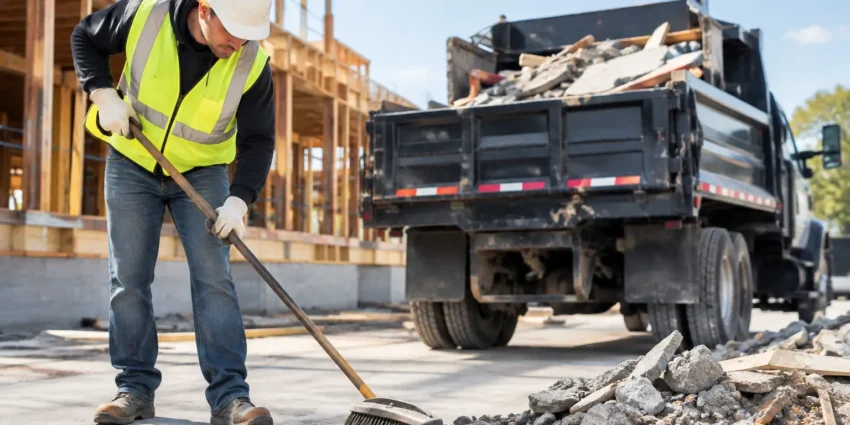
A remodeling project can look finished long before the site is ready for staff, tenants, customers, or inspectors. If you are asking who removes construction debris, the short answer is that the right provider depends on what is left behind, where it must go, and whether the space needs to be cleaned for occupancy.
For commercial properties, debris removal is often a shared responsibility. Contractors may handle large materials and job-site waste. A professional post-construction cleaning team handles the detailed cleanup that turns a dusty, messy work area into a presentable business environment. Knowing where one responsibility ends and the next begins helps prevent delays, surprise costs, and a poor first impression when the project is complete.
Who Removes Construction Debris on Commercial Projects?
General contractors usually manage debris during active construction. Their crews or subcontractors may use dumpsters, haul-off services, and designated disposal facilities for materials generated on site. This typically includes lumber, drywall scraps, broken tile, packaging, pallets, insulation, and other large construction waste.
Once the construction work is complete, a post-construction cleaning company takes over the detailed cleaning process. This work goes beyond picking up visible trash. It includes removing fine dust from floors, walls, fixtures, vents, ledges, windows, restrooms, and other finished surfaces. For a business owner or property manager, this is the stage that makes the space ready for a final walkthrough, tenant turnover, opening day, or regular operations.
The division of responsibility should be clear before work begins. A cleaning crew can remove loose debris, dust, dirt, labels, and residue as part of a defined post-construction scope. However, oversized loads, hazardous materials, or disposal that requires special handling may need to be managed by the contractor or a licensed waste hauler.
Construction Debris Removal and Post-Construction Cleaning Are Different
These services work together, but they are not the same thing. Debris hauling focuses on transporting waste away from the property. Post-construction cleaning focuses on the condition of the finished space.
A contractor might remove a dumpster full of drywall, wood, and metal, yet leave behind sawdust in cabinet drawers, adhesive on glass, dust on ceiling fixtures, and tracked dirt across newly installed flooring. Those details matter in an office, restaurant, hotel, retail space, warehouse, or auto dealership. They affect safety, presentation, and how quickly the facility can be put to use.
A professional commercial cleaner is especially valuable when the project has reached the final phase and multiple trades have worked in the same space. Fine construction dust travels farther than most teams expect. It settles on horizontal surfaces, inside corners, around baseboards, on equipment, and in areas that may not be obvious until daylight hits the room.
What a Post-Construction Cleaning Crew Typically Handles
The exact scope depends on the project, the condition of the site, and the agreed-upon estimate. In most commercial settings, post-construction cleaning includes detailed cleaning rather than heavy demolition or full-scale waste hauling.
A thorough service may address:
- Loose dirt, dust, small debris, and leftover packaging
- Dust on walls, trim, ledges, fixtures, vents, and accessible surfaces
- Floors that need vacuuming, sweeping, mopping, or spot treatment
- Glass, mirrors, doors, counters, cabinets, and touchpoints
- Restrooms, break rooms, reception areas, and other occupancy-ready spaces
Some projects require more than one cleaning visit. A rough clean may be needed after major work is complete but before final installations. A final clean happens after the last trades have left the site. Larger projects may also benefit from a touch-up cleaning just before turnover, particularly when the space sits vacant for several days or other crews return for corrections.
When You Need a Hauler Instead of a Cleaning Company
A cleaning company is not always the right first call. If the site contains large piles of materials, full dumpsters, appliances, fixtures, concrete, roofing material, or demolition waste, start with the general contractor or a waste hauling provider. They can arrange the appropriate container, labor, transportation, and disposal route.
You should also use qualified specialists for materials that may be hazardous or regulated. Paints, solvents, chemicals, batteries, electronics, fluorescent lamps, asbestos-containing materials, and certain sharp or contaminated items require specific handling. Never assume these items can go into standard trash or be removed as part of ordinary cleaning.
This is where a clear scope protects everyone. Ask whether the quote covers bagging and removing ordinary loose debris, hauling it off-site, cleaning the area after removal, or all three. Those are different services, and they can involve different labor, equipment, and disposal costs.
How to Plan Debris Removal Without Delaying Your Opening
The best time to arrange post-construction cleanup is before the project reaches the finish line. Waiting until the contractor says the work is done can leave you scrambling for availability while dust continues to settle and turnover deadlines get tighter.
Start by confirming what the contractor will remove. Ask whether dumpsters, pallets, scrap materials, and surplus supplies will be gone before the cleaning team arrives. Then identify any areas that need special attention, such as new flooring, high glass, kitchen equipment, showroom surfaces, or customer-facing entryways.
It also helps to schedule cleaning after dusty trades are complete. If drywall sanding, cutting, ceiling work, or painting is still underway, a final clean may need to wait. Cleaning too early can lead to duplicate work and unnecessary expense. On the other hand, booking too late can push back inspections, furniture delivery, or move-in dates.
For occupied commercial properties, timing is equally important. Office managers and facility coordinators may need after-hours cleaning to avoid disrupting employees. Hospitality operators may need a defined turnover window between phases of work. A reliable cleaning partner will discuss access, scheduling, safety requirements, and the condition of the property before providing an estimate.
Questions to Ask Before Hiring Construction Cleanup Help
Before selecting a provider, ask direct questions about the work included. Will they remove loose debris from the space? Are hauling and disposal included or priced separately? Do they have experience with commercial post-construction cleaning? Are their cleaners licensed and insured? Can they work within your access schedule and turnover deadline?
You should also ask how the provider handles final quality control. A rushed cleanup can leave dust on finished surfaces, smudges on glass, or debris in corners that becomes obvious during a walkthrough. A dependable crew should understand that the work is not complete simply because the largest trash is gone. The goal is a clean, safe, professional space that reflects well on your business or property.
For commercial projects throughout Bellevue, Kirkland, Redmond, and the surrounding Eastside, Armani Janitorial provides post-construction cleaning designed for that final stage. The focus is on detailed cleaning, dependable scheduling, clear communication, and a scope that matches the condition of the site.
A finished project deserves more than an empty dumpster. Confirm the hauling plan early, reserve detailed cleaning at the right stage, and give your team, tenants, or customers a space that is ready to make the right first impression.