
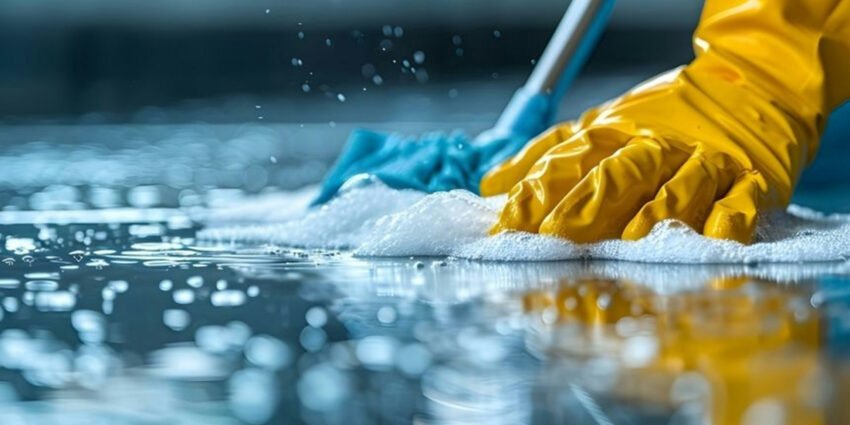
Professional cleaners use specialized techniques, equipment, and filtration systems to remove dust, allergens, and airborne pollen from business environments. Their goal is not only to improve appearance but also to create healthier indoor air quality for employees, customers, and visitors.
Here’s how professional cleaning services typically handle dust and harmful air particles in commercial spaces:
High-Efficiency Vacuum Systems
Professional cleaners often use vacuums equipped with HEPA (High-Efficiency Particulate Air) filters. These systems capture extremely small particles such as:
- Dust mites
- Pollen
- Pet dander
- Mold spores
- Fine debris
HEPA filtration prevents particles from being released back into the air during cleaning, which is especially important in offices, medical facilities, and retail spaces.
Microfiber Dusting Techniques
Instead of traditional feather dusters that spread particles around, professionals use microfiber cloths and dusters. Microfiber traps and holds dust through static attraction, helping remove allergens from:
- Desks
- Shelving
- Window ledges
- Electronics
- Air vents
This method significantly reduces airborne dust circulation.
Air Vent and HVAC Cleaning
Dust and pollen frequently accumulate inside ventilation systems. Professional cleaners may:
- Clean return and supply vents
- Remove buildup around ducts
- Replace or recommend upgraded HVAC filters
- Coordinate deep duct cleaning when needed
A cleaner HVAC system improves airflow and reduces airborne contaminants throughout the building.
Carpet and Upholstery Deep Cleaning
Carpets and fabric furniture act like filters that trap pollen, dirt, and allergens over time. Professional cleaners use:
- Hot water extraction
- Steam cleaning
- Low-moisture encapsulation methods
These processes remove embedded particles that regular vacuuming cannot fully eliminate.
Hard Surface Sanitization
Dust and pollen settle on floors, counters, and shared surfaces daily. Professional cleaning teams use commercial-grade, often eco-friendly, disinfectants and cleaning agents to:
- Remove fine particles
- Reduce bacteria buildup
- Improve overall hygiene
Routine sanitization also helps reduce cross-contamination in high-traffic areas.
Indoor Air Quality Improvement
Many commercial cleaning providers now include indoor air quality strategies such as:
- HEPA air scrubbers
- Electrostatic sprayers
- Air purification recommendations
- Humidity control support
Maintaining balanced humidity can help reduce airborne dust and allergen circulation.
Scheduled Preventive Cleaning
Consistent maintenance is one of the biggest advantages of professional cleaning services. Regular cleaning schedules help prevent dust and pollen buildup before it affects:
- Employee comfort
- Productivity
- Allergy symptoms
- Equipment performance
Businesses with high foot traffic, open doors, or nearby construction especially benefit from recurring professional cleaning.
Focus on High-Touch and Hidden Areas
Professionals clean areas often overlooked during routine maintenance, including:
- Baseboards
- Ceiling vents
- Behind furniture
- Light fixtures
- Blinds and curtains
These hidden dust reservoirs can continuously release particles into the air if ignored.
By combining advanced filtration equipment, deep-cleaning methods, and preventive maintenance, professional cleaners help businesses maintain cleaner surfaces, healthier indoor air, and a more comfortable environment overall.
2 comments