
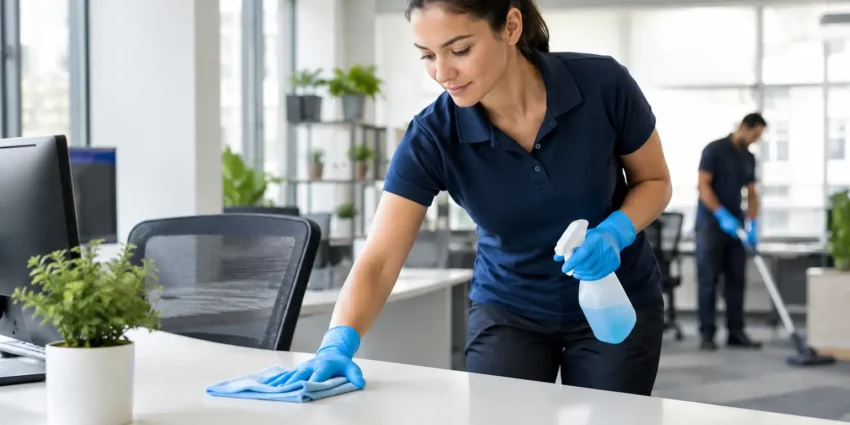
A smudged glass entry or an overflowing restroom bin may seem minor, but employees and visitors notice immediately. The right office cleaning priorities do more than make a workplace look orderly. They reduce avoidable disruptions, support a healthier environment, and help protect the professional image your business has worked to build.
For office managers and facility coordinators, the challenge is rarely deciding whether cleaning matters. It is deciding what needs attention first, how often it should be handled, and where a limited budget will make the greatest difference. A practical cleaning plan focuses on risk, traffic, and the real way people use the building.
Office Cleaning Priorities Start With High-Touch Areas
High-touch surfaces deserve consistent attention because they are used repeatedly throughout the day by different people. Door handles, elevator buttons, shared reception counters, break room appliance handles, conference room controls, and restroom fixtures can quickly collect fingerprints, residue, and germs.
In a busy office, these areas may need service daily or more than once a day. In a smaller office with limited occupancy, a thorough daily cleaning paired with periodic disinfection may be sufficient. The appropriate frequency depends on foot traffic, shared workspaces, public access, and the season.
Cleaning and disinfecting are related but not identical. Cleaning removes visible soil and residue. Disinfecting addresses germs on a properly cleaned surface when the product is used according to its instructions. A reliable janitorial plan accounts for both without treating every surface as if it has the same level of risk.
Restrooms Need Reliable Daily Attention
Restrooms are one of the clearest signs of how a facility is maintained. Employees may tolerate a dusty corner for a day, but an empty soap dispenser, wet floor, unpleasant odor, or full trash can creates an immediate concern.
Daily restroom service should cover toilets, urinals, sinks, mirrors, counters, floors, dispensers, and waste receptacles. Supply levels matter just as much as surface appearance. Soap, paper products, liners, and feminine hygiene supplies should be checked before they become a problem.
Higher-traffic offices, medical-adjacent settings, public-facing businesses, and shared commercial properties often benefit from daytime restroom checks in addition to after-hours cleaning. This is a worthwhile adjustment when restrooms serve customers, tenants, or large employee teams. It prevents small issues from becoming complaints or safety concerns.
Floors Protect Safety and First Impressions
Floors carry in moisture, grit, salt, leaves, and debris, especially during wet Puget Sound weather. Entryways, lobbies, hallways, and break rooms are common trouble spots. When floor care slips, a facility can look neglected even when desks and counters are clean.
Regular vacuuming, sweeping, and mopping should match each area’s traffic level. Entrances and main walkways may require daily attention, while low-use offices can often be serviced less frequently. Spot cleaning is equally important. A spill near the coffee station or rainwater by the front door should be addressed promptly, not left for the next scheduled visit.
Long-term floor care also deserves a place in the schedule. Carpet extraction, hard-floor scrubbing, waxing, and refinishing can extend the life of flooring and improve appearance. These services may not be needed weekly, but postponing them too long can lead to permanent staining, worn finishes, and higher replacement costs.
Keep Shared Spaces Ready for Use
Break rooms, conference rooms, reception areas, and copy rooms tend to accumulate mess faster than individual offices. They are also the spaces where clients, candidates, vendors, and employees spend time together. A clean shared space signals that the business is organized and considerate of the people who use it.
Break room cleaning should include countertops, tables, sinks, microwaves, refrigerator exteriors, cabinet pulls, and floors. Trash removal is especially important where food is present. If food waste sits overnight or over a weekend, odors and pests can become a problem quickly.
Conference rooms require a different standard. Wipe tables, straighten chairs, remove trash, clean glass, and check the floor after use. For offices that host frequent meetings, daytime touch-up service may be more useful than adding more detailed after-hours work. The best plan reflects how the space actually operates.
Trash Removal Is a Health and Operations Issue
Waste collection is easy to overlook until bins overflow. Office trash, food waste, restroom waste, and recycling all need clear handling procedures. Proper liners, consistent removal, and attention to disposal areas help control odors and keep the facility presentable.
Businesses should also consider where waste accumulates outside standard desks and restrooms. Shipping stations, print areas, employee kitchens, and receiving spaces may produce more waste than expected. In warehouses, auto dealerships, and construction-related offices, debris can have different handling requirements than typical office trash.
A commercial cleaning provider should understand the agreed scope of disposal and communicate clearly when a site has special needs. Transparency prevents surprises and helps ensure the cleaning schedule supports the way your team works.
Office Cleaning Priorities Should Include Dust Control
Dust is not only an appearance issue. It collects on vents, blinds, ledges, baseboards, furniture, equipment, and high surfaces that do not receive daily attention. Left unmanaged, it can make an otherwise clean office feel stale and poorly maintained.
Routine dusting should focus on reachable surfaces, while periodic detail cleaning addresses higher and less visible areas. Reception desks, window ledges, office furniture, chair bases, and accessible air vents are common places where dust builds up.
The right frequency depends on the building and the business. Offices near active construction, facilities with frequent deliveries, and spaces with open doors or warehouse connections may need more frequent dust control. Post-construction cleaning is particularly important before employees move into a renovated or newly built space, since fine dust can settle long after the initial work appears complete.
Match the Schedule to Your Building, Not a Generic Checklist
A cleaning checklist is useful, but a generic checklist should not dictate the entire service plan. A law office with client meetings has different priorities than a creative studio, restaurant back office, dealership showroom, or logistics facility. The same is true for a small office with ten employees and a multi-tenant building with hundreds of daily visitors.
Start by reviewing traffic patterns, business hours, sensitive areas, and the level of public visibility. Then separate tasks into daily, weekly, monthly, and periodic work. Daily tasks generally include restrooms, trash, common areas, and high-touch surfaces. Detail dusting, interior glass, carpet care, and floor restoration may belong on a less frequent rotation.
Scheduling also matters. After-hours cleaning works well for many offices because it avoids interrupting employees and visitors. Some facilities need daytime support for restrooms, lobbies, spills, or events. A dependable provider should be able to explain what is included, arrive at the agreed time, and adjust the scope as operational needs change.
Measure Quality Through Consistency
The best cleaning plan is not the one with the longest checklist. It is the one that delivers consistent results without creating more work for the office manager. Clear expectations, periodic walkthroughs, and responsive communication are essential.
Watch for recurring signs that the service level needs adjustment: restroom supplies running out, missed corners, fingerprints on entry glass, odors around trash areas, or floors that look dull before the end of the week. These are not always signs that the cleaning team is ineffective. They may indicate that the schedule, task list, or staffing level no longer matches the facility’s needs.
For businesses across Bellevue, Kirkland, Redmond, and nearby Eastside communities, seasonal weather and changing occupancy can also affect cleaning demands. A plan that worked during a quiet summer may need more entryway care, carpet attention, or restroom service during a wet, busy season.
A clean office should feel dependable, not noticeable only after something goes wrong. When the cleaning plan is built around the areas people touch, see, and rely on every day, your workplace is better prepared to support employees and represent your business well.